
How to Find the Best DSCR Loan Lenders in 2026


Choosing among DSCR loan lenders is about more than finding the lowest advertised interest rate. The right lender should fit your property type, leverage goals, expected rental income, ownership structure, timeline, and investment strategy.
For investors in Dallas–Fort Worth and across Texas, the comparison also needs to account for property taxes, insurance costs, rental demand, and the lender’s experience underwriting local investment properties.
This guide explains how to compare the best DSCR loan lenders in 2026, what questions to ask, and which red flags may signal a poor fit.
What is a DSCR loan?
A debt-service coverage ratio, or DSCR, loan is an investment-property loan that focuses primarily on the property’s income and its ability to support the proposed debt payment.
The basic calculation is:
DSCR = Property income ÷ Debt service
A ratio of 1.00 means the modeled property income approximately covers the debt service. A ratio above 1.00 indicates additional coverage, while a ratio below 1.00 means the income does not fully cover the payment under that lender’s calculation.
Personal income may not be the primary qualification factor in the same way it is for conventional financing. However, credit, reserves, property condition, leverage, entity structure, and the lender’s program guidelines still matter.
You can review the full range of DSCR loan programs before comparing specific lenders.
How to evaluate DSCR loan lenders in 2026
1. Compare total cost, not just the headline rate
The lowest advertised rate is not necessarily the least expensive loan. A lender may offer a lower rate with more points, higher origination fees, stricter prepayment terms, or other costs.
Request an itemized quote from each lender for the same:
- Loan amount
- Property value and LTV
- Loan term
- Fixed or adjustable structure
- Prepayment penalty structure
- Estimated closing date
Then compare the full cost of capital. Ask each lender to identify the note rate, points, underwriting fees, processing fees, appraisal-related costs, and any other lender-controlled charges.
A difference of a quarter-point may matter less than thousands of dollars in upfront fees or a prepayment penalty that affects your planned exit.
2. Review maximum LTV
Many DSCR lenders offer maximum leverage of approximately 75% to 80% LTV. Some programs may go as high as 85% LTV for strong borrower and property profiles, although those options are less common and may carry additional requirements or pricing adjustments.
Your maximum LTV may depend on:
- Credit score
- DSCR
- Property type
- Loan purpose
- Property location
- Loan size
- Reserves
- Short-term versus long-term rental use
A 75% LTV loan generally means bringing 25% equity before closing costs and other cash requirements. Lower leverage may improve the DSCR calculation but requires more capital upfront.
For more terminology, including LTV and DSCR definitions, review the DSCR loan terms guide.
3. Ask about the minimum DSCR
Most DSCR loan lenders require a minimum ratio around 1.00, although the exact requirement varies by lender, property type, LTV, and loan structure.
Some flexible programs may accept a DSCR of 0.75 or lower, but usually with a pricing premium, lower maximum leverage, additional reserves, or other conditions.
Do not assume every lender calculates DSCR the same way. Ask whether the lender uses:
- Market rent from the appraisal
- An existing lease
- Short-term rental revenue
- A vacancy factor
- Property taxes and insurance
- Principal and interest only or the full payment
- Net operating income for commercial properties
You can use the DSCR loan calculator to create an initial estimate, but the lender’s appraisal, rent analysis, and underwriting rules determine the final calculation.
4. Check pricing transparency
A professional lender should be able to explain the expected rate, points, fees, and major conditions before asking you to authorize a hard credit pull.
Rates in late 2026 typically range roughly from 6% to 9.5% as illustrative general market ranges as of October 2026, depending on credit, LTV, DSCR, property type, loan structure, and market conditions. Lenders commonly look for a credit score in the 660–680 range as a common floor for some programs, while scores of 720 or higher may unlock stronger pricing tiers. These are general market ranges, not approval standards, quotes, or rate promises.
Ask for written terms and confirm whether the quote is:
- A preliminary estimate
- A soft-pull scenario
- A formal application
- Subject to appraisal and underwriting
- Based on a specific prepayment structure
5. Compare closing timelines
A straightforward DSCR transaction may close in approximately two to four weeks, although the actual timeline varies by lender, appraisal availability, title work, property complexity, and how quickly requested documents are provided.
Before submitting an offer, ask the lender:
- When will the appraisal be ordered?
- How long does the appraisal typically take in the property’s market?
- When does title work begin?
- What documents are needed from the LLC?
- When can the loan be submitted to underwriting?
- What could delay closing?
A lender who gives a realistic timeline is usually more useful than one who simply promises an unusually fast closing.
6. Understand prepayment flexibility
Prepayment penalties are common with DSCR loans and can materially affect an investor’s exit strategy. Common structures may include step-down penalties such as 5-4-3-2-1 or other declining schedules.
Depending on the program, a lender may offer:
- A shorter prepayment period
- A buy-down option
- A higher rate for reduced prepayment restrictions
- A no-penalty structure
- Different terms for refinances or sales
If you expect to sell or refinance within two to five years, compare the prepayment cost alongside the interest rate. Make sure the terms are provided in writing before closing.
7. Confirm LLC lending experience
Many investors prefer to acquire rental property through an LLC. However, not every lender handles entity ownership in the same way.
Ask whether the lender routinely closes loans in an LLC and what it requires from the entity, including:
- Formation documents
- Operating agreement
- Ownership information
- Certificate of good standing
- Personal guarantees
- Business-purpose certifications
A lender accustomed to investor transactions can often explain the process more clearly and help prevent last-minute documentation issues.
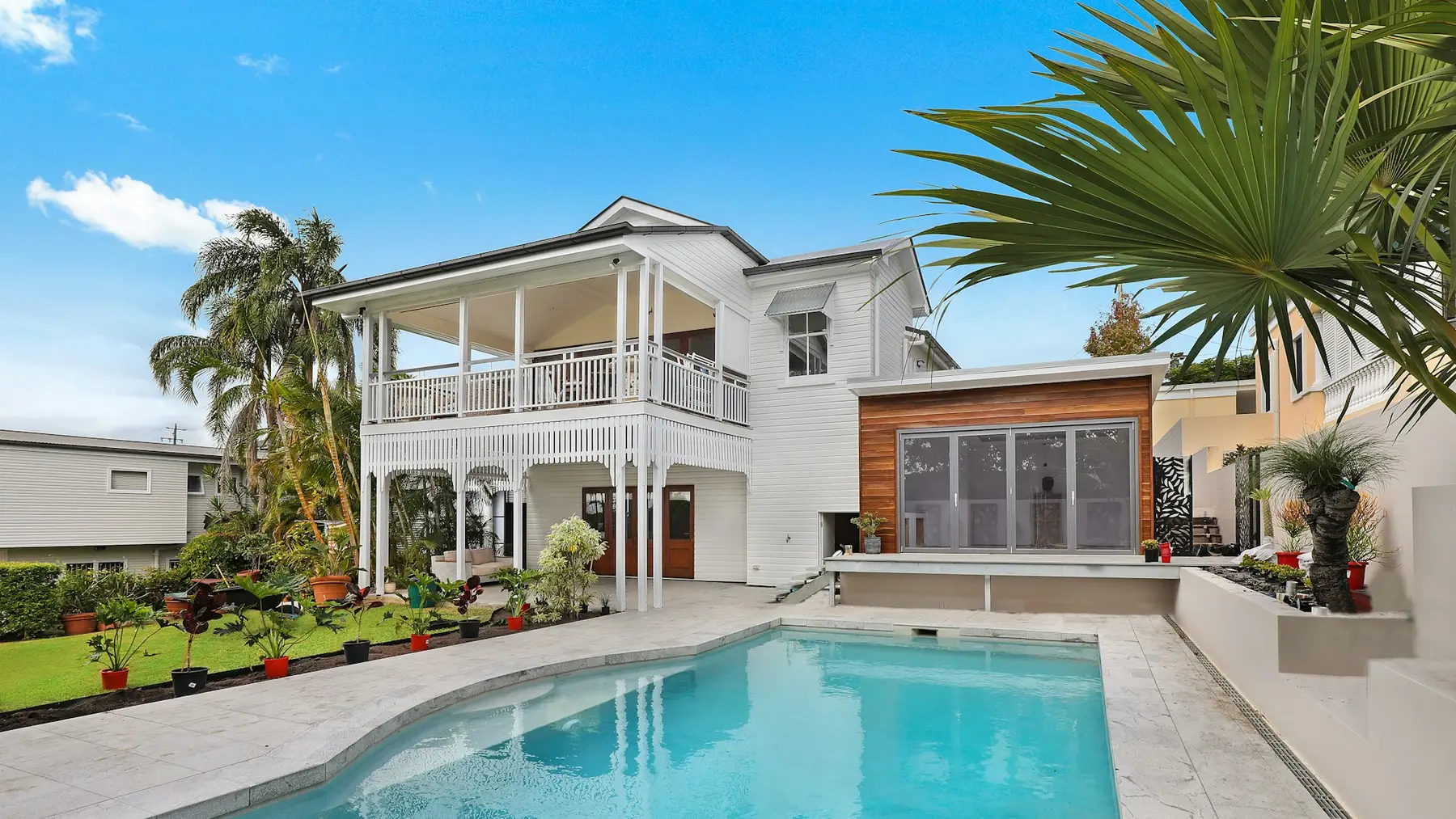
Verify property-type overlays before making an offer
Not all DSCR lenders finance every type of investment property. Confirm eligibility before writing an offer, especially for:
- Short-term rentals
- Airbnb or furnished rentals
- Condos and townhomes
- Duplexes, triplexes, and fourplexes
- Five-plus-unit multifamily
- Mixed-use properties
- Retail and office buildings
- Light industrial or flex properties
Residential DSCR programs commonly focus on one- to four-unit properties. You can learn more on the residential DSCR loans page.
Commercial DSCR financing may involve larger multifamily, mixed-use, retail, office, or other income-producing properties. These transactions may place greater emphasis on leases, operating expenses, net operating income, and tenant quality. See the commercial DSCR loans page for additional context.
Direct lender, broker, or big national site?
Investors generally encounter three types of DSCR loan lenders:
Direct lender
A direct lender funds or controls the loan through its own lending platform or established lending relationships. This may provide a more consistent process and clearer understanding of who is underwriting the deal.
Mortgage broker
A broker may compare multiple wholesale or investor-lending programs on your behalf. This can be useful when your property type, DSCR, credit profile, or loan size does not fit a single lender’s standard guidelines.
Big national lending site
A large online lender may provide a convenient digital application and broad geographic reach. However, the initial contact may not always have detailed knowledge of local property conditions or specialized property types.
For a Dallas–Fort Worth investor, a Dallas-based team with direct investor-lending relationships may offer a practical advantage. Local familiarity can help when reviewing North Texas rents, taxes, insurance assumptions, property types, and closing conditions while still accessing national lending options where appropriate.
DFW considerations when comparing lenders
Texas property taxes and North Texas insurance costs can significantly affect the qualifying payment and DSCR calculation. Hail and wind exposure may influence insurance premiums, availability, deductibles, and lender requirements.
Investment properties generally do not receive homestead treatment, so do not use a homestead tax assumption when estimating cash flow.
Before relying on a lender’s quote, verify that its underwriting assumptions include realistic:
- Property taxes
- Hazard and wind coverage
- Flood insurance, when applicable
- HOA dues
- Repairs and operating expenses
- Market rent
- Vacancy assumptions
A lender comfortable with DFW underwriting should be able to explain how these figures affect the loan structure.
Questions to ask DSCR loan lenders
Use this checklist when comparing lenders:
- What is your minimum DSCR at my target LTV?
- Do you have a rate sheet or written scenario you can share?
- What is the full fee stack, including points and lender fees?
- What are the prepayment terms?
- Do you lend in Texas and on my specific property type?
- Do you finance short-term rentals, five-plus-unit properties, or mixed-use deals?
- Who services the loan after closing?
- How often do you close loans in an LLC?
- What is your realistic closing timeline?
- Which taxes, insurance costs, and rent assumptions will be used?
Provide every lender with the same deal information so you can make an accurate comparison.
DSCR lender red flags
Be cautious if a lender:
- Quotes a rate without itemizing fees
- Will not disclose its minimum DSCR
- Does not provide prepayment terms in writing
- Cannot confirm whether it lends in your state
- Will not confirm eligibility for your property type
- Pressures you to authorize a hard credit pull before explaining the terms
- Promises approval, closing, or a specific rate without reviewing the property
A transparent lender should explain what is known, what remains subject to underwriting, and which factors could change the quote.
A practical way to compare your options
Create a simple comparison table with these columns:
- Rate
- Points and fees
- Maximum LTV
- Minimum DSCR
- Prepayment structure
- Loan term
- Property-type eligibility
- LLC availability
- Estimated closing timeline
- Servicing information
Then rank each option based on your actual investment plan. The best DSCR lender for a long-term hold may not be the best lender for a property you expect to sell in two years. Likewise, a lender suited to a single-family rental may not be equipped for a mixed-use building or larger multifamily property.
The DSCR Doctors process is designed to start with the property, estimated rent, loan amount, and intended structure before moving toward a formal quote.
FAQ
What are the best DSCR loan lenders in 2026?
The best lender depends on your property type, location, credit, DSCR, LTV, loan size, and exit strategy. Compare total cost, underwriting requirements, prepayment terms, lender experience, and closing reliability rather than relying on a generic lender ranking.
What credit score do DSCR lenders typically require?
Lenders commonly look for a credit score around 660 to 680 as a common floor for some programs as of October 2026, while 720 or higher may qualify for stronger pricing tiers. These figures are illustrative general market ranges, not approval standards or quotes. Requirements vary by lender and may be offset by stronger DSCR, lower LTV, or additional reserves.
Can I use a DSCR loan for an investment property in an LLC?
Often, yes. Many investor programs allow an LLC to own the property, but the lender may review the entity, ownership structure, guarantors, and formation documents.
Do DSCR lenders finance short-term rentals?
Some do, but not all. Short-term rental income may require specific documentation, market support, operating history, or appraisal treatment. Confirm eligibility before making an offer.
How long does a DSCR loan take to close?
A straightforward transaction may close in approximately two to four weeks, but timing varies. Appraisal, title, underwriting, property complexity, and document delivery can all affect the schedule.
Bring your deal to DSCR Doctors
If you are comparing DSCR lenders, bring the property address, estimated rent, purchase price, and desired loan amount. DSCR Doctors can help you understand the numbers, compare potential structures, and identify the next step for a residential or commercial investment property.
Loans are originated by SaveUnited.org, doing business as Mortgages for America | NMLS #993846. NMLS Consumer Access: nmlsconsumeraccess.org.
DSCR Doctors is a division of Iron Oak Lending and owns and operates this website.
Equal Housing Opportunity. DSCR Doctors and its lending partners support fair lending and do not discriminate on the basis of any protected characteristic under applicable law.
These loans are intended for business-purpose real estate investors and are not consumer owner-occupied loans; certain consumer protections may not apply.
DSCR Doctors
Phone: 214-817-0492
Email: seth@dscrdoctors.com
Website: www.dscrdoctors.com
Educational purposes only: This article provides general information and is not a commitment to lend, loan approval, pre-approval, rate quote, financial advice, tax advice, or legal advice. Loan availability, rates, fees, DSCR requirements, LTV limits, property eligibility, and closing timelines vary by lender and borrower. All financing is subject to underwriting, appraisal, documentation, market conditions, and applicable program guidelines. For additional information, see the disclosures and privacy policy.