DSCR Loan Requirements: 10 Things Real Estate Investors Should Know Before Applying
Updated September 30, 2026
If you are buying or refinancing an investment property, understanding DSCR loan requirements can help you avoid surprises during underwriting. These loans are designed for real estate investors and focus heavily on the property’s ability to generate rental income.
Unlike many conventional loans, a DSCR loan may not require personal tax returns, W-2s, or pay stubs as the primary qualification method. However, lenders still review the property, your credit, available cash, ownership structure, and the overall strength of the deal.
Requirements vary by lender and property type, but these are the 10 areas you should understand before applying.
1. Minimum credit score
Most DSCR lenders have a minimum credit score requirement. As an illustrative example as of October 2026, a common starting point is around 620, while many programs commonly look more favorably on scores of 660 or higher.
A higher credit score may help you qualify for:
- Better interest rates
- Higher loan-to-value limits
- Lower down payment requirements
- More flexible property guidelines
- Lower reserve requirements
Investors with scores below 660 may still have options, but they could face higher rates, more required equity, or stricter DSCR requirements.
Common denial reason: Applying with a credit score that does not fit the lender’s program, recent late payments, high credit utilization, or unresolved collections can create problems even when the property has strong rent.
2. Minimum DSCR ratio
The debt-service coverage ratio compares the property’s qualifying income with its monthly debt obligation.
A simple version of the calculation is:
DSCR = qualifying monthly rental income ÷ monthly property payment
Many lenders look for a DSCR between 1.0 and 1.25, depending on the program. A ratio of 1.0 means the property’s income roughly covers the payment. A ratio of 1.25 shows more cash-flow cushion.
Example: How a 1.25 DSCR works
Suppose a lender calculates:
- Monthly qualifying rental income: $2,500
- Monthly principal, interest, taxes, insurance, and HOA: $2,000
The calculation is:
$2,500 ÷ $2,000 = 1.25 DSCR
This means the property produces $1.25 in qualifying income for every $1.00 of monthly debt expense.
A lower ratio may be accepted in some programs, but it often requires stronger credit, lower leverage, additional reserves, or a higher interest rate.
You can test your numbers using the DSCR loan calculator.
3. Down payment and loan-to-value
DSCR loans generally require more equity than many owner-occupied mortgage programs. As an illustrative example as of October 2026, a common expectation is 20% to 25% down, which equals approximately 75% to 80% LTV.
For example:
- A property purchased for $300,000
- 75% LTV loan: $225,000
- Estimated down payment: $75,000
Some strong borrowers may qualify for higher leverage, while lower credit, weaker DSCR, short-term rentals, or unusual properties may require more money down.
Remember that your cash needed at closing may include more than the down payment. You may also need funds for:
- Closing costs
- Prepaid taxes and insurance
- Appraisal and third-party fees
- Required cash reserves
- Repairs or property improvements
Common denial reason: The borrower has enough money for the down payment but not enough to cover closing costs and required reserves.
4. Cash reserves
Cash reserves are funds you keep available after closing. They give the lender confidence that you can continue making payments if the property has a vacancy, repair, or temporary drop in income.
Many DSCR programs ask for several months of property expenses in reserves. As an illustrative example as of October 2026, a common guideline is approximately six months of PITIA, which means:
- Principal
- Interest
- Taxes
- Insurance
- Association dues, when applicable
Reserve requirements can increase when the property has a lower DSCR, higher LTV, lower credit score, or more complicated income history.
Liquid assets such as bank funds, investment accounts, and other approved sources may be acceptable. Ask the lender which accounts and funds can be used.
5. Eligible property types
DSCR loans are intended for investment properties, not primary residences. Eligible property types depend on the program, but may include:
- Single-family rental homes
- Condos and townhomes
- Duplexes, triplexes, and fourplexes
- Small multifamily properties
- Larger apartment buildings
- Mixed-use properties
- Retail and office buildings
- Light industrial and flex properties
- Short-term rental properties
For 1–4 unit properties, review the residential DSCR loan options. Larger multifamily and commercial properties may fit within commercial DSCR financing.
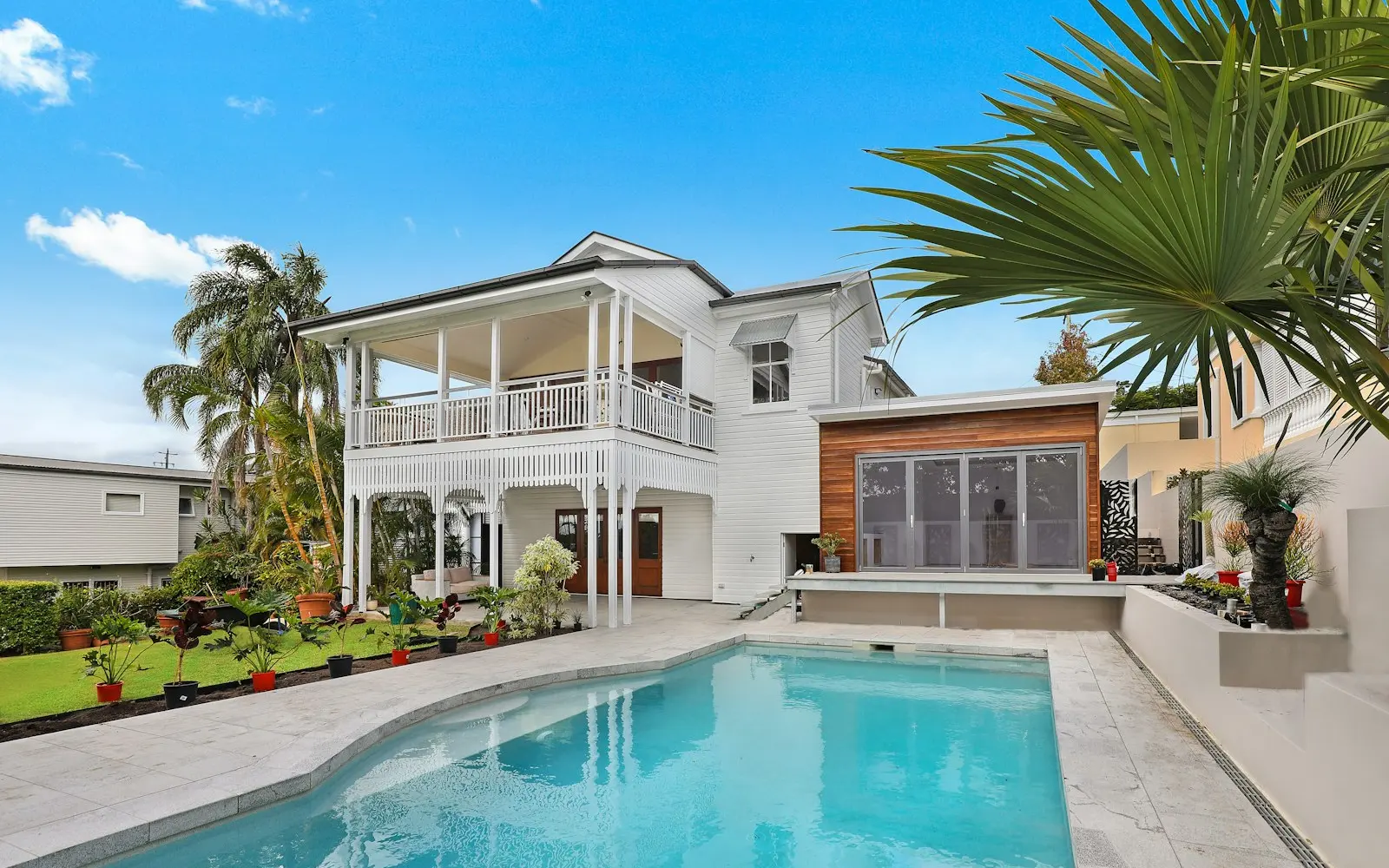
Owner-occupied properties, vacant buildings, properties in poor condition, and properties with unusual legal or zoning issues may not qualify.
Common denial reason: The property does not meet the lender’s occupancy, condition, zoning, property type, or marketability guidelines.
6. Rental income and how it is calculated
Rental income is one of the most important parts of a DSCR loan application. The lender needs to determine how much income the property can reasonably produce.
Depending on the property and loan program, the lender may use:
Market rent
For a vacant property or new purchase, the lender may use market rent supported by the appraisal and comparable rental properties.
Existing lease
If the property is already rented, the lender may review the current lease agreement. The lease should be complete, signed, and consistent with the property and application.
Appraisal rent schedule
The appraiser may provide a rental analysis showing estimated market rent. This is often important when the current lease is missing, outdated, or below market.
Short-term rental income
Airbnb and other short-term rental income may be considered by certain programs. The lender may review rental history, booking records, market data, or a specialized income analysis. Short-term rental guidelines can be stricter than long-term rental guidelines.
For commercial properties, lenders may focus more heavily on net operating income, leases, rent rolls, operating statements, and tenant performance.
Common denial reason: The requested rent is higher than what the appraisal or available rental evidence supports. If the lender uses lower qualifying rent, the DSCR may fall below the required threshold.
7. Appraisal requirements
A full appraisal is usually required to support the property’s:
- Market value
- Condition
- Marketability
- Comparable sales
- Market rent
- Property classification
The appraisal can affect both the loan amount and the DSCR calculation. If the value comes in lower than expected, you may need to bring more money to closing. If the rent estimate is lower than expected, the property may no longer meet the lender’s ratio requirement.
For commercial properties, the lender may also require additional analysis of income, expenses, leases, tenant concentration, and the property’s operating history.
Before applying, make sure the property is reasonably maintained and that you have access to current leases, rent information, and operating records.
8. Entity and LLC borrowing
Many real estate investors use an LLC to purchase and hold rental property. DSCR lenders may allow the LLC to be the borrower and title holder, although the exact structure depends on the program.
Common entity documents include:
- Articles of organization
- Operating agreement
- EIN confirmation
- Certificate of good standing
- Ownership information
- Entity resolution or borrowing authorization
- Personal information for members or guarantors
A personal guarantee is commonly required, even when the LLC owns the property. The lender may still review the guarantor’s credit, assets, experience, and legal identity.
Learn more about DSCR loans for LLCs before deciding how to structure your purchase.
9. Interest rate and prepayment penalty considerations
DSCR loan interest rates are often higher than rates for traditional owner-occupied mortgage loans. The rate may reflect the property’s cash flow, credit profile, leverage, property type, loan size, and overall risk.
When comparing offers, do not look at the interest rate alone. Review:
- Fixed or adjustable rate structure
- Loan term
- Interest-only availability
- Origination fees
- Closing costs
- Required reserves
- Prepayment penalty
- Balloon or maturity terms
- Recourse and personal guarantee language
Many DSCR loans include a prepayment penalty, often for a period of three to five years. The penalty may reduce over time through a step-down structure, but it varies by lender.
If you may sell or refinance soon, ask how the prepayment penalty affects your exit plan. A loan with a slightly lower rate may not be the best choice if it creates a large cost when you sell.
10. Documentation needed when there is no personal income verification
“No income verification” does not mean “no documentation.” It generally means the lender does not use your personal employment income, tax returns, or pay stubs as the primary way to qualify the loan.
You may still need to provide:
- Government-issued identification
- Credit authorization
- Purchase contract or refinance details
- Property address and estimated value
- Current lease or rent roll
- Appraisal and rental analysis
- Proof of down payment funds
- Bank or investment account statements
- Insurance information
- Entity and LLC documents
- Existing mortgage information
- Property tax and HOA details
- Explanation of credit issues, when needed
Commercial borrowers may also need operating statements, tenant leases, rent rolls, expense records, and business documents.
The goal is to show that the property, borrower, and transaction are legitimate and supportable.
Common reasons DSCR loan applications get denied
A property-based loan still requires careful underwriting. Applications are commonly declined or restructured because of:
- The DSCR is below the lender’s minimum.
- The appraisal supports lower rent than expected.
- The property value comes in below the contract price.
- The borrower does not have enough reserves.
- Credit history does not meet program standards.
- The property type is outside the lender’s guidelines.
- The LLC documents are incomplete or inconsistent.
- The property condition requires too much work.
- The short-term rental income cannot be adequately supported.
- The borrower does not have enough funds for the full closing requirement.
Many of these issues can be identified before a formal application if you review the property’s numbers early.
Frequently asked questions
What credit score do I need for a DSCR loan?
As an illustrative example as of October 2026, many programs start around 620, but lenders commonly look more favorably on 660 or higher for more options and better terms. Minimums vary by lender, property type, leverage, and DSCR.
Is a 1.0 DSCR enough to qualify?
As an illustrative example as of October 2026, some programs may accept a 1.0 DSCR, while others require 1.20 or 1.25. A stronger ratio generally creates more flexibility.
How much down payment is usually required?
As an illustrative example as of October 2026, many investors should plan for 20% to 25% down. The actual amount depends on credit, property type, DSCR, loan size, and program guidelines.
Can I use an LLC?
Often, yes. The LLC may hold title and borrow the funds, but the lender may require entity documents and a personal guarantee from one or more members.
Do I need tax returns?
Not always. DSCR loans typically focus on property income instead of personal income verification. However, lenders still request documentation about the property, borrower, assets, entity, and transaction.
Your next step
Before applying, gather the property address, estimated value, expected rent, purchase price or payoff amount, credit score range, entity information, and available funds.
Then use the DSCR loan calculator for an initial estimate and bring the numbers to a lender who works with real estate investors.
For a quote or pre-qualification conversation, contact DSCR Doctors.

DSCR Doctors
Residential and commercial DSCR loans for real estate investors
Phone: 214-817-0492
Email: seth@dscrdoctors.com
Website: www.dscrdoctors.com
This article is for educational purposes only and is not an offer to lend or a commitment to make a loan. Terms, guidelines, and availability are subject to change without notice. See our Disclosures and Privacy Policy.
These are business-purpose loans for real estate investors, not consumer owner-occupied loans. Consumer-purpose mortgage protections may not apply.
Available in 45 states.
Equal Housing Opportunity. DSCR Doctors and its lending partners do not discriminate on the basis of race, color, religion, sex, handicap, familial status, national origin, or any other protected characteristic under applicable law.
Loans are originated by SaveUnited.org, doing business as Mortgages for America | NMLS #993846. NMLS Consumer Access: nmlsconsumeraccess.org.
DSCR Doctors is a division of Iron Oak Lending and owns and operates this website.